
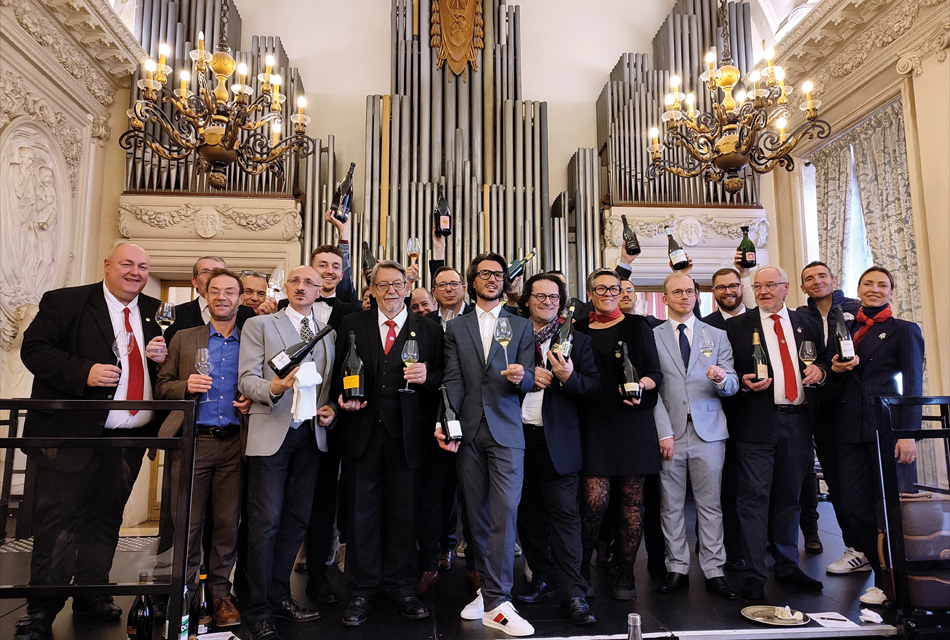
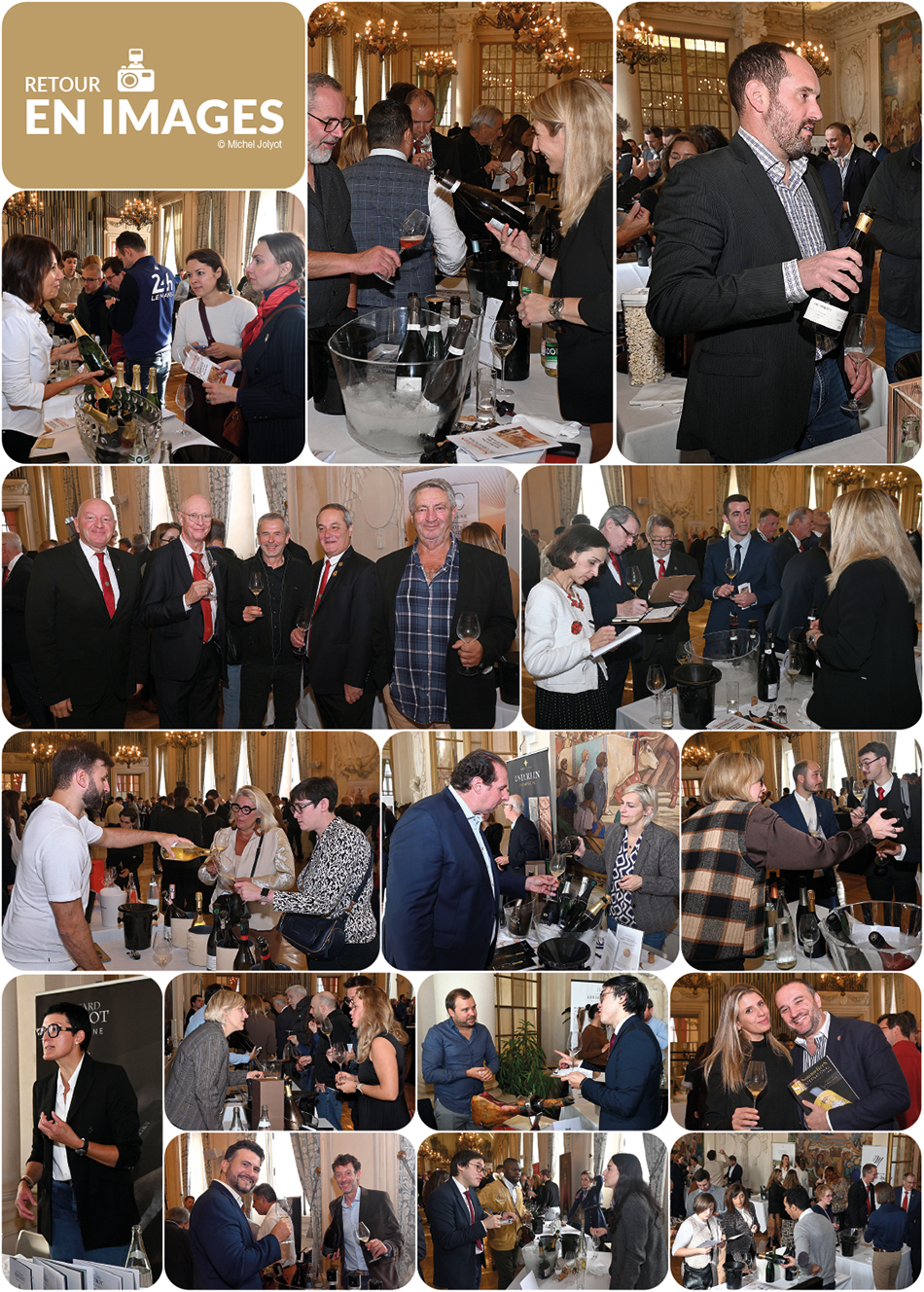
Each year, the Meet the Pros event organized by SommelierS International at the Reims City Hall, brings together sommeliers, restaurateurs, wine merchants, importers, producers, and cellar masters around a shared mission: celebrating the vitality and modern identity of the Champagne region.
Sponsored this year by Mikk Parre, Best Sommelier of Europe – Africa – Middle East 2024, the event once again demonstrated Champagne’s remarkable ability to evolve, balancing heritage with creative (r)evolution.
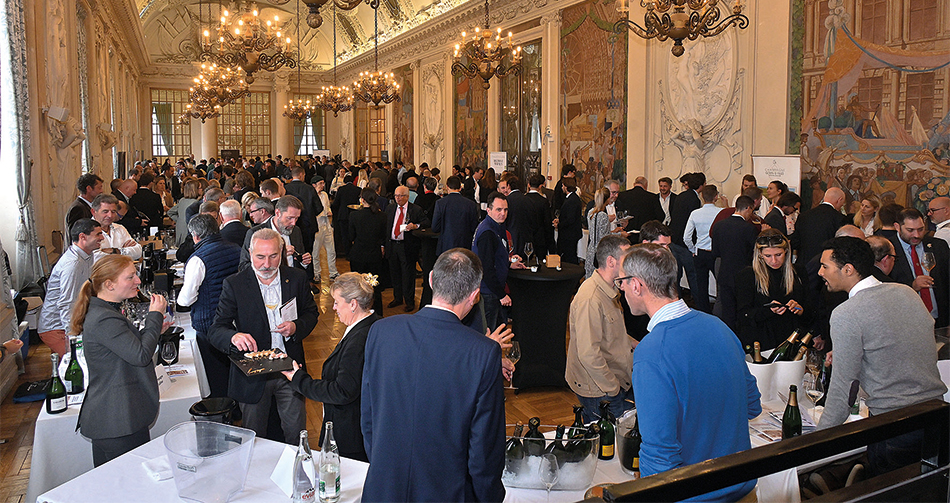
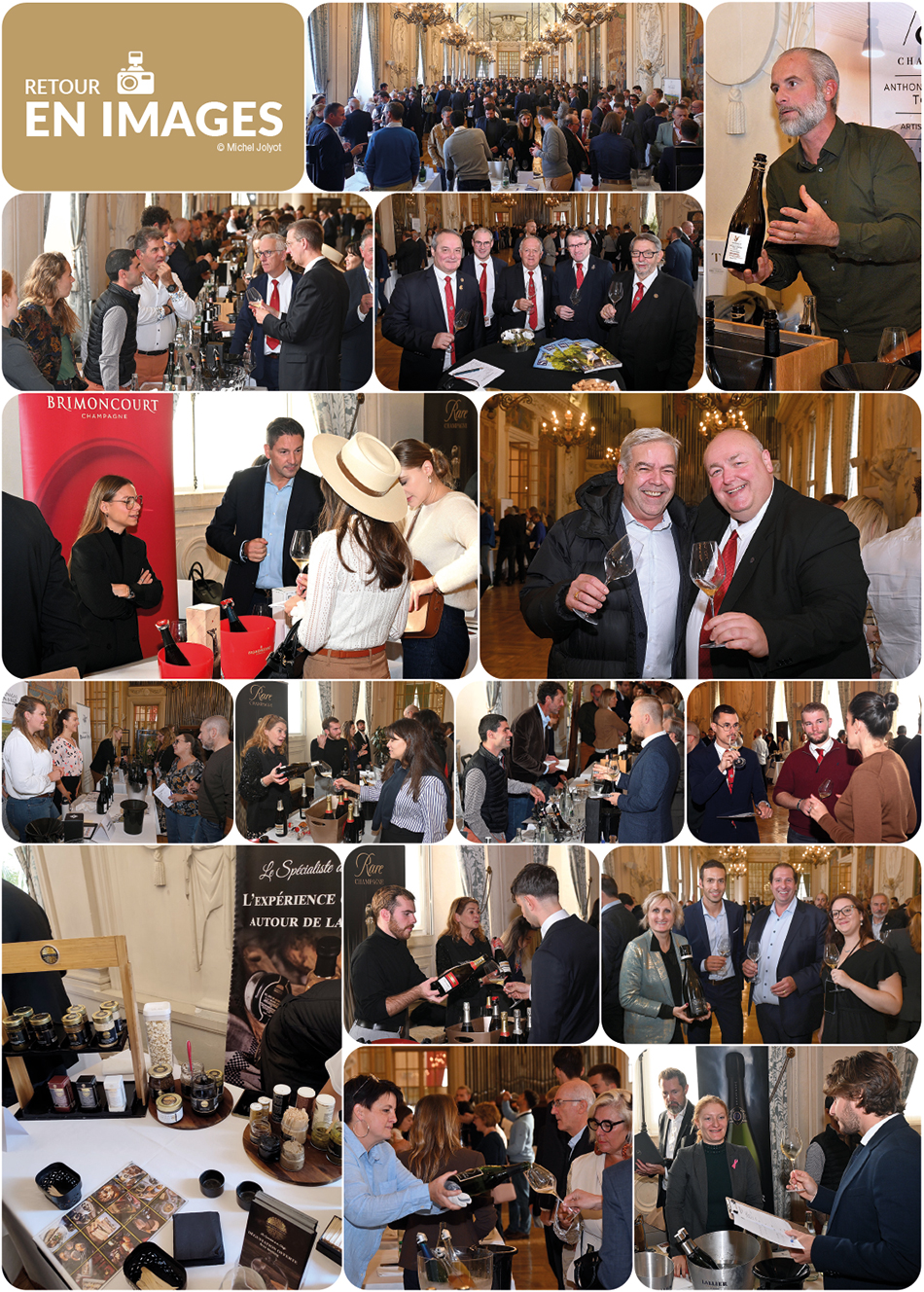
The event takes the pulse of a Champagne in constant transformation. Thirty-eight exhibitors presented a representative selection of their wines, combining familiar favorites with exciting new arrivals. The tastings offered a broad stylistic spectrum, and, as every year, left attendees eager to return.
While Champagne remains one of the world’s most highly regulated appellations, it has never been so free in its expression. Whether houses, cooperatives, or grower-producers, all participants appeared united in a quest to align excellence, authenticity, and sustainability.
From an oenological standpoint, styles increasingly refocus on balance and purity through more finely-tuned winemaking. As already observed in the previous edition, oak has become a tool rather than a signature, as seen at Champagne Gounel-
Lassalle and Champagne Lombard. At Veuve Clicquot, the sharp shift toward a noble reductive profile reflects this pursuit of precision. Malolactic conversion is sometimes being reconsidered. A few Coteaux Champenois are emerging with an identity of their own, far from Burgundian references, such as Breuil Rouge from Champagne Pierre Mignon or the Blanc de Pinot Noir from Mailly Grand Cru.
The diversity and creativity of reserve wines is becoming increasingly visible through multi-vintage philosophies, as illustrated by Champagne Lallier Les Réflexions, Champagne Jacquart Signature, Mailly Grand Cru Poétique de la Terre, and Champagne Palmer&Co. Rooted in regional tradition, this richness is shaping a potentially inspiring new model, linking economic resilience, contemporary creativity, and environmental responsibility. Once a hallmark of grower-producers, reserve programs (perpetual, solera-style, in tank or wood) are now embraced by brands and cooperatives alike.
Overall, the tastings highlighted a growing search for aromatic freshness and tension. Lower dosage is no longer the main driver; instead, the focus shifts toward the complexity of blends and the precision of maturation. Overly marked autolysis is giving way to more transparent and vibrant expressions, especially in wines based on the 2020 harvest, which at times recalls 2015.
Sustainable viticulture has become a cornerstone of Champagne’s renewal. HVE and VDC coexist with organic and biodynamic farming, precision agronomy, and new movements such as regenerative viticulture (for instance at Champagne Henriot) or even permaculture. These initiatives foster better resilience against climate challenges (particularly in 2023 and 2024). Even packaging is evolving: more minimalist and eco-designed solutions, such as light-protected dressings at Champagne Deutz Amour de Deutz or Champagne Perrier-Jouët Belle Époque, reduced use of inks and colors, and greater sustainability right down to closures. Soon, will we see foil-free bottles? Foils will no longer be mandatory in Champagne from 2025.
Prestigious Champagne cooperatives, including those present at the event, have become genuine quality brands in their own right, embodying a modern and collective vision while maintaining strong technical capabilities and clear identities.
As for grower-producers, they express the diversity of Champagne terroirs—from the Montagne de Reims to the Côte des Bar—crafting a mosaic of styles shaped by chalk, clay, sand, or Kimmeridgian soils. Champagne Éric Taillet, a benchmark for Meunier; Mademoiselle Marg’O with her luminous, lace-like wines from the Aube; and Champagne Paul Bara showcasing the refined power of Pinot Noir from Bouzy. These men and women of the land weave innovation into craftsmanship while honoring environmental responsibility.
The leading cuvées delivered several outstanding examples from the 2014 vintage (Comtes de Champagne, Amour de Deutz, Rare), alongside youthful and graceful 2018s (La Grande Dame and the two Hommage à William Deutz parcel-based cuvées). Some 2017s (Belle Époque Blanc de Blancs) surprise with their filigree finesse. The discreet and reductive 2014 vintage shows harmony with an electric edge. Meanwhile, the sunny and complex 2015 vintage oscillates between richness and freshness, with a recognizable herbal note—though not present in every wine, such as those from Champagne Henriot, Mademoiselle Marg’O, or Champagne Lombard. A few rare 2013s still reveal precision and length after a demanding, late-ripening season, sometimes layered with noble patina. Pierre Mignon’s L’Harmonie des Blancs Grand Cru 2013 remains remarkably youthful. Growers are also betting on more recent vintages, while non-vintage cuvées increasingly rely on 2020–2022 base years.
Innovation now reaches the tasting experience itself: Lehmann glassware is redefining the art of service, while Iberian ham from Orza and truffle-based delicacies from Signorini added a gourmet dimension that epitomizes the excellence driving the entire sector.
In 2025, Champagne is no longer just a region: it is a laboratory of innovation, where every bubble carries the promise of a sustainable, ambitious, and profoundly human future. Today’s Champagne has firmly embraced the cutting edge.
Julia Scavo
Photos : Michel Jolyot
––› See the Meet the Pros tasting
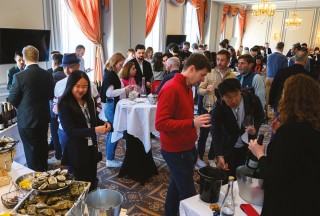
On March 23, the InterContinental Bordeaux Le Grand Hôtel hosted the SommelierS International Meet the Pros tasting event
They are the undisputed champions of wine lists, the icons adorning liquor store shelves...
